Let me start with a surprising fact: Slovenia is one of the first countries in the world to constitutionally recognize both its national sign language and the unique language of the Deafblind. As someone who has witnessed how joyful and creative Deaf spaces are—from expressive signing families to ingenious vibrating alarm clocks—I’m convinced that Deaf culture is a world all its own. If you’ve ever wondered what daily life, identity, or legal rights look like for Deaf Slovenians, you’re in for an eye-opening journey. (Wild card: Imagine a society where noisy cafes are the easiest place to have a conversation—not the hardest!)
1. Deafness Is Not One-Size-Fits-All: Understanding the Diverse Deaf Community
When you think about the Deaf and hearing impaired community in Slovenia, it’s important to remember that there’s no single way to be deaf. In fact, deafness is as unique as the people who experience it. Some individuals are born deaf, while others acquire deafness later in life—either through genetics, illness, or other causes. As one Slovenian advocate put it,
"People who have been born with deafness, people who acquired deafness along the lives, people who are genetically deaf, who inherited from the parents, people who acquired it later in life."
This diversity shapes not only how people communicate, but also how they connect with their identity and community. You’ll find that some Slovenian sign language users come from families where deafness is passed down through generations, while others may be the only deaf person in their family or social circle. There are also those who lose their hearing gradually, adapting to new ways of communicating as their needs change.
For many, the path to “Deafhood” can involve a mix of tools and choices. Some rely on hearing aids, which can amplify sounds and help with speech recognition. Others may choose cochlear implants—a medical device that provides a sense of sound to those who are profoundly deaf. In Slovenia, research shows that about 450 people use cochlear implants, while approximately 1,500 are Slovenian sign language users. Each person’s decision is deeply personal, shaped by comfort, culture, and even family tradition.
Communication is at the heart of Deaf culture. For Slovenian sign language users, signing isn’t just a way to talk—it’s a vibrant, visual language that brings people together. Imagine sitting in a busy café with friends, laughter echoing around you, and being able to chat across the room with just your hands and facial expressions. This is a common, joyful scene for many in the Deaf community.
But sign language itself is not universal. Slovenian Sign Language is distinct from Croatian or German sign languages, even though neighboring countries might share some similarities. At international events, people often use International Sign Language—a simplified, artificial system created to bridge language gaps. Still, it’s not a natural language, and most prefer their native sign language for everyday life.
It’s also important to recognize the Deafblind individuals in Slovenia. Although their numbers are small—about 100 people—they have a unique place in the community. The Slovenian constitution is one of the few in Europe to officially recognize the language of the Deafblind, acknowledging tactile sign language as a legitimate form of communication. This legal recognition is a major step toward inclusion and respect for all forms of deafness.
Ultimately, the Deaf and hearing impaired community in Slovenia is not a single group, but a tapestry of experiences, choices, and identities. Whether someone uses hearing aids, cochlear implants, Slovenian sign language, or tactile signing, each journey is valid and valued. This diversity is what makes Deaf culture in Slovenia so rich and dynamic.

2. From the Margins to the Constitution: Legal Progress and Social Inclusion
If you look at Slovenia’s journey, you’ll see a small country with a small Deaf community. Yet, the impact of legal recognition for sign language here is anything but small. The Use of Slovenian Sign Language Act, adopted 17 years ago, was a turning point. For the first time, Deaf people in Slovenia gained the right to use their natural language in official settings. This law was not just a formality—it was a statement that sign language is a real language, deserving the same respect as spoken languages.
But progress didn’t stop there. In 2019, Slovenia took a bold step by amending its Constitution. Now, Slovenian sign language and even the language of the Deafblind have minority language status at the highest legal level. This makes Slovenia one of the few European countries to offer such strong protection. As the amendment states:
"The constitutional amendment guarantees the free use and development of Slovenian sign language and sign languages of national minorities in relevant municipalities."
This move is especially significant for the Deafblind community. By constitutionally recognizing Deafblind language, Slovenia affirms not only the unique needs of Deafblind individuals but also their culture and identity. Research shows that about 1,500 Deaf people use Slovenian sign language, and around 100 Deafblind individuals use tactile sign language. These numbers may seem small, but the impact of recognition is huge.
Legal rights are one thing, but daily life can be another story. You might think that government support for sign language means everyone gets the help they need. In reality, support varies. Some regions and institutions are more inclusive than others. For example, while you have the right to an interpreter, you may still need to pay out-of-pocket for interpreting hours. One community member shared, “I have to pay for interpreters myself. I have around two hundred hours of interpreting hired.” This shows that, even with legal recognition, practical barriers remain.
Still, there are signs of real progress. Government press conferences now offer live sign language interpretation. Hospitals and community services are starting to understand the importance of accessibility. In schools, more classrooms are integrating interpreters and sign language experts. Lecturers are learning to speak clearly and slowly, making lessons more accessible for Deaf students. These changes reflect a growing awareness of Deaf community rights and the need for government support for sign language.
Of course, experiences differ. Some Deaf people grew up in families where sign language wasn’t fully understood. Others only learned to sign as teenagers. But as you travel or meet Deaf people from other countries, you’ll notice that the struggle for inclusion—and the joy of expressing yourself in your own language—are shared experiences. Whether in Slovenia or elsewhere, the journey from the margins to the Constitution is ongoing, shaped by both legal progress and everyday realities.

3. Ingenious Communication: Language, Tech, and Everyday Life
When you step into the world of Slovenian Deaf culture, you quickly realize that communication is both an art and a science. Slovenian Sign Language (SZJ) is not just a translation of spoken words—it’s a language with its own unique sign language grammar. Here, your hands are only part of the story. Facial expressions, body posture, and even the way you move your eyebrows are all vital. This visual and expressive language allows for a depth of meaning and emotion that spoken language sometimes struggles to match.
Research shows that the publication of the first grammar of Slovenian Sign Language has made a real difference. It supports better learning and higher quality sign language interpreting services. For Deaf and Deafblind individuals, this means more accurate communication in schools, workplaces, and public life. The language of the Deafblind—often tactile sign language—has also gained recognition, helping to secure the rights and culture of Deafblind individuals in Slovenia.
You might be surprised to learn that Deaf people often find it easier to communicate in noisy places than hearing people do. In a crowded bar or a busy street, signers can keep a conversation going without shouting or straining to hear. As one Deaf Slovenian put it, “We can communicate through a translucent glass when hearing people cannot because they don’t hear themselves. For instance, if you get— I guess you can imagine—we can communicate under water as well, whereas hearing people cannot.” This creative comparison highlights the flexibility and ingenuity of sign language.
Technology plays a huge role in daily life, too. Many Deaf and Deafblind people rely on visual and tactile devices to stay connected and independent. Vibrating alarm clocks, light-based doorbells, and flashing alarms are just a few examples. Some prefer the strong shake of a vibrating bed to wake up, while others like the flash of a lamp. These adaptations are more than just conveniences—they are essential tools for social inclusion deaf communities rely on.
Deaf spaces are often described as visually dynamic and expressive. You’ll notice people facing each other directly, using their whole bodies to convey meaning. There’s a patience and attentiveness in these interactions that stands in contrast to the fast-paced, sometimes distracted world of hearing communication. Deaf people are often highly attuned to visual and spatial cues, which can make them skilled drivers and keen observers of their environment. As one community member shared, “We have a very good sense of rhythm…we are very conscious about always facing the person that we are talking to.”
In Slovenia, legal recognition of sign language and the language of the Deafblind has paved the way for greater access and respect. The government’s support for live interpreting at official events and the constitutional protection of these languages are important steps toward full inclusion. For you, whether you are Deaf, hearing, or somewhere in between, understanding these ingenious ways of communicating opens the door to a more connected and empathetic world.

Conclusion: The Deaf Slovenian Mosaic—A Space Where Silence Speaks Volumes
If you look closely at the Deaf community in Slovenia, you’ll see a world that is both familiar and entirely unique. Life here is vibrant, layered, and full of positive adaptation. The journey of Deaf Slovenians is not just about overcoming barriers, but about building a culture where silence is not emptiness, but a space for connection, expression, and joy.
Legal recognition—like the adoption of the Use of Slovenian Sign Language Act and the constitutional protection of Slovenian Sign Language—marks a huge step forward for social inclusion of the deaf. Research shows that these victories have made daily life more accessible and have affirmed the right to communicate in one’s own language. Yet, as you’ve seen, laws are only one part of the story. True inclusion grows from cultural pride and the patient, creative ways people connect every day.
In the Deaf community, communication is visual, tactile, and deeply expressive. Slovenian Sign Language is not just a tool, but a living, evolving language with its own grammar and rhythm. Facial expressions, body language, and even the way someone turns to face you—these are all part of the conversation. As one member of the community put it, “We are mainly visual and tactile, and we rely on our other senses. We can fully use and take advantage of them.” This heightened awareness shapes a culture where emotions are shared openly, and where attention is given with intention.
Have you ever tried to imagine dancing to music not by hearing the beat, but by feeling the vibration through the floor? For many in the Deaf community, music and dance are experienced through movement and sensation. Some love it, some don’t—just like hearing people. This is a reminder that Deaf and hearing cultures are not opposites, but more like dancers in a room, each improvising with their own steps, sometimes moving together, sometimes apart.
Joining Deaf spaces—whether you are Deaf, hearing, or somewhere in between—means learning a new rhythm of interaction. It takes patience, flexibility, and a willingness to try, even if communication doesn’t work perfectly the first time. As research indicates, the most important thing is not flawless signing or speech, but the effort to connect, to adapt, and to respect the wisdom built into Deaf culture.
“Slovenia’s Deaf culture is defined by resilience, vibrant language, and increasing legal recognition. From creative communication to inclusive laws, this community continually reshapes what it means to belong and thrive.”
The mosaic of Deaf life in Slovenia is a testament to resilience and innovation. Legal rights, social inclusion, and the flourishing of Slovenian Sign Language have changed lives—but it is the daily acts of understanding, the pride in culture, and the joy found in new forms of connection that truly make this community shine. If you open yourself to this world, you may find that silence, far from being empty, speaks volumes.
TL;DR: Slovenia’s Deaf culture is defined by resilience, vibrant language, and increasing legal recognition. From creative communication to inclusive laws, this community continually reshapes what it means to belong and thrive.
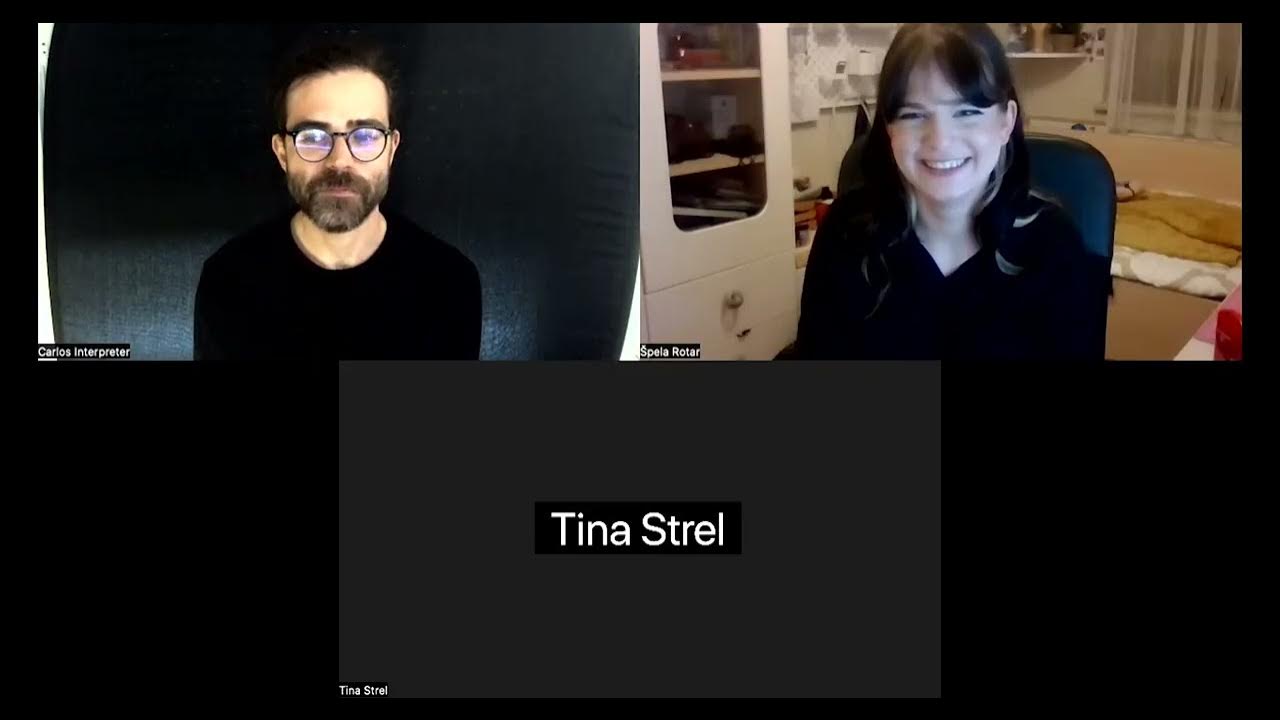
A huge shoutout to the original creators of the insightful content featured in the webinar on the Paths to Inclusion YouTube channel, Spela and Tina. All credit goes to them. Be sure to check it out here: https://www.youtube.com/watch?v=-ZRm0tMW_y0.


