
Imagine signing up for a political journey thinking you’ll make the world a better place. Maybe you picture applause, your name in the news, or big, bold changes that you alone engineer. Now, imagine being told—point blank, with a touch of dry humor—that politics isn’t about fame or instant impact, but about failure, seduction, and a long, anxious wait to matter at all. That’s exactly the vision Sam Vaknin delivered in his 2025 lecture at Struga’s Political Academy. As someone who once tried (and spectacularly failed) to run for student council, I felt every word hit home. This article breaks down his advice with honesty, realism, and a deliberate focus on Deaf inclusivity and accessibility. If you’ve ever wondered what really happens when you step into politics, read on—but be ready for a few surprises along the way.
The Unseen Side of Politics: Grit, Failure, and Temptation
When you imagine a career in politics, you might picture influence, respect, and the power to shape history. But as Sam Vaknin reveals in his Political Academy Struga lecture, the true nature of politics is far less glamorous—and far more punishing—than most newcomers ever expect. Vaknin, who has advised eight governments and built a following of over 600,000 across two decades, speaks from deep experience. He pulls no punches: politics is a battleground, and only the toughest survive.
Politics: A Career of Relentless Failure
Vaknin de-glamorizes the field, calling it a “career of failure.” He states bluntly:
"90% of the time you will fail. You will fail to get elected. You will fail to implement your projects. You will fail and fail and fail."
– Sam Vaknin
According to Vaknin, the politics temptations challenges are not just about public scrutiny or heated debates. The real struggle is internal: enduring rejection, disappointment, and the repeated collapse of your plans. If you are soft-hearted or thin-skinned, politics will break you. The failure rate is staggering—most politicians spend the majority of their careers facing setbacks, not victories. If you crave easy wins or admiration, politics is not your calling.
The Pressure of Temptation
But the challenges do not end with failure. Vaknin warns that temptation is ever-present in the world of politics. The pressure to betray your convictions, to take shortcuts, or to accept “envelopes on tables” is intense. He cautions:
"These are the temptations and seductions of politics. Remember this moment and your vow."
– Sam Vaknin
In the Sam Vaknin politics lecture, he explains that the seductive offers and opportunities for corruption are constant. Some politicians become wealthy by giving in; others end up in prison. But even more simply burn out, exhausted by the ethical and emotional toll. Vaknin insists that only politics has the power to truly corrupt one’s soul, making the need for strong personal boundaries and unwavering integrity absolutely essential.
Endurance: The Key to Survival
To survive in politics, you need more than ambition. Vaknin emphasizes the importance of:
- Mental Endurance: Protect your mental health against constant stress and public pressure.
- Physical Endurance: Withstand long hours, travel, and the physical toll of campaigning and governing.
- Ethical Endurance: Resist the daily temptations to compromise your values for personal gain or popularity.
Vaknin’s decades of experience highlight a hard truth: the nature of politics is not about easy success, but about grit, resilience, and the ability to hold onto yourself when everything around you tries to pull you apart. The Political Academy Struga lecture serves as a sobering reminder that, in politics, survival depends on your ability to endure failure and resist the ever-present lure of temptation.

Riches of the Soul vs. Riches in the Bank: Redefining Success in Political Life
In his 2025 political academy lecture, Sam Vaknin invites you to rethink what it means to succeed in the world of politics. He draws a sharp line between two types of wealth: the riches in your bank account and the riches in your soul. This distinction is not just philosophical—it’s a practical guide for anyone navigating the temptations and challenges of political life.
"There are riches in the bank and there are riches in the soul. And the riches in the bank you can't take with you. But the riches in the soul you can." – Sam Vaknin
The Nature of Politics: Temptations and Challenges
The nature of politics often presents you with choices that test your values. You may be offered money, status, or rewards that seem hard to refuse. But Vaknin warns that these are fleeting. The temptations and challenges in politics are real, and many politicians fall into the trap of measuring success by what they can gain materially.
- Bank riches: Money, status, and rewards that come and go.
- Riches of the soul: Integrity, honor, and self-respect that endure.
Ethical Wealth: What Truly Lasts
Vaknin’s message is clear: Ethical wealth—your integrity and honor—outlasts any material gain. Respected politicians are those who preserve their integrity, even when under intense pressure. While many in politics gain money, the best gain self-respect and leave a true political legacy of positive leadership.
He challenges you to ask yourself: What will you carry with you when your political career ends? The money and status will not last. But the way you treat others, the decisions you make, and the values you uphold will shape your legacy and your inner happiness.
Success, Redefined
Vaknin reframes success in politics. It is not about winning elections or accumulating wealth. Instead, it is about not betraying yourself. True success means passing up short-term gains in favor of long-term happiness and self-respect.
- Do you keep your moral clarity and conscience intact?
- Can you walk away if politics forces you to abandon yourself?
- Are you building a legacy that will be remembered for its integrity?
This lesson is universal, yet rarely shared on the campaign trail. Vaknin’s maxim is simple: If politics forces you to abandon yourself, walk away. The riches of the soul—your moral clarity, conscience, and inner happiness—are the only wealth you truly keep.
In the end, the Sam Vaknin politics lecture reminds you that the real measure of a political leader is not what they have in the bank, but what they carry in their soul.
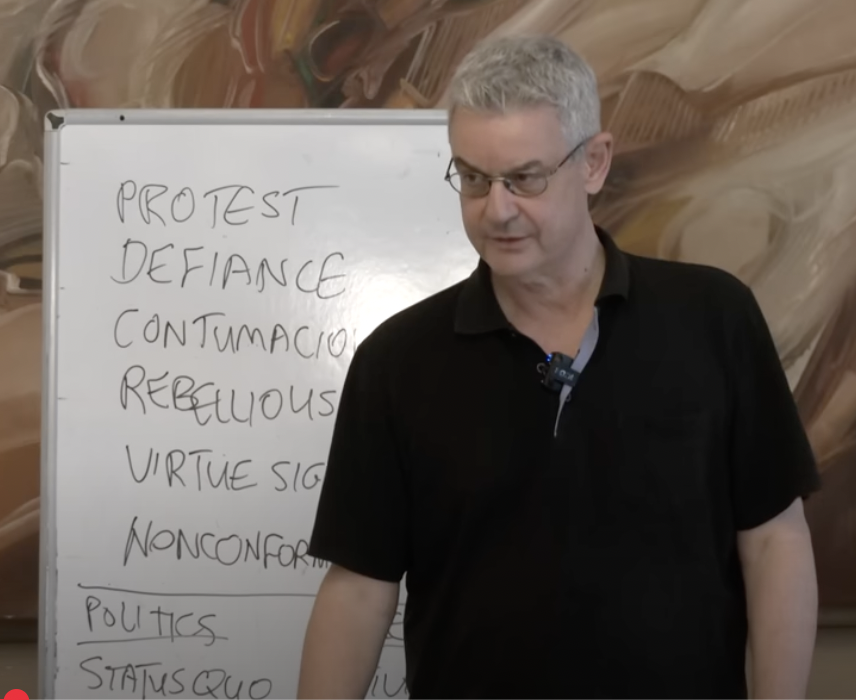
Preservation or Change? Navigating Political Identities and Power Dynamics
When you enter the world of politics, one of the first questions you must answer is: Will you fight to preserve what exists, or will you push for change? In his 2025 Political Academy lecture, Sam Vaknin breaks down the heart of politics preservation vs change into two main “tribes”—those who defend the status quo and those who seek to transform it. Understanding where you fit is essential for your political identity and your future power as a leader.
The Status Quo Defenders: Politics Preservation
Vaknin calls the first group the “status quo” politicians. These leaders value tradition, stability, and the existing order. Their main goal is to preserve what works. If society is happy and functional, they see no reason to change. Vaknin reminds us,
"Change is not a value in itself. Some changes are bad. The value is happiness. The value is functionality."In other words, preserving the status quo is not only valid, but sometimes necessary—especially if it brings people contentment and keeps society running smoothly.
The Change Agents: Politics Change
On the other side are the change agents. These politicians believe that progress requires transformation. But Vaknin warns that not all change is good. Some leaders become addicted to change, thinking that constant activity makes them effective. However, change for its own sake can be dangerous. Vaknin urges young politicians to ask: Does this change actually make things better for people, or is it just about my need to leave a mark?
Disruptive vs. Incremental Change
Within the politics of change, there are two flavors:
- Disruptive Change: This is the “tear it down and rebuild” approach. For example, Donald Trump in the United States was seen as a disruptive change agent, shaking up established systems and norms.
- Incremental Change: This approach focuses on gradual improvements—fixing things bit by bit rather than all at once.
Both styles have their place, but each comes with risks and rewards. As a young leader, you must decide which approach fits your values and the needs of your society.
Joining Teams and Navigating Disagreement
Vaknin emphasizes that political power dynamics are never about lone heroes. Politics is a team sport. You must choose your “tribe” and join a party, group, or movement. Trying to please everyone is impossible—consensus is mostly a myth. Real politics is full of disagreement, and learning to work within these tensions is key to your career longevity.
As you consider your path, remember: Preservation and change are both valid—what matters is whether your actions bring happiness and functionality to society. Choose your place wisely, and understand that the power to shape the future always comes with the peril of losing yourself if you forget why you started.
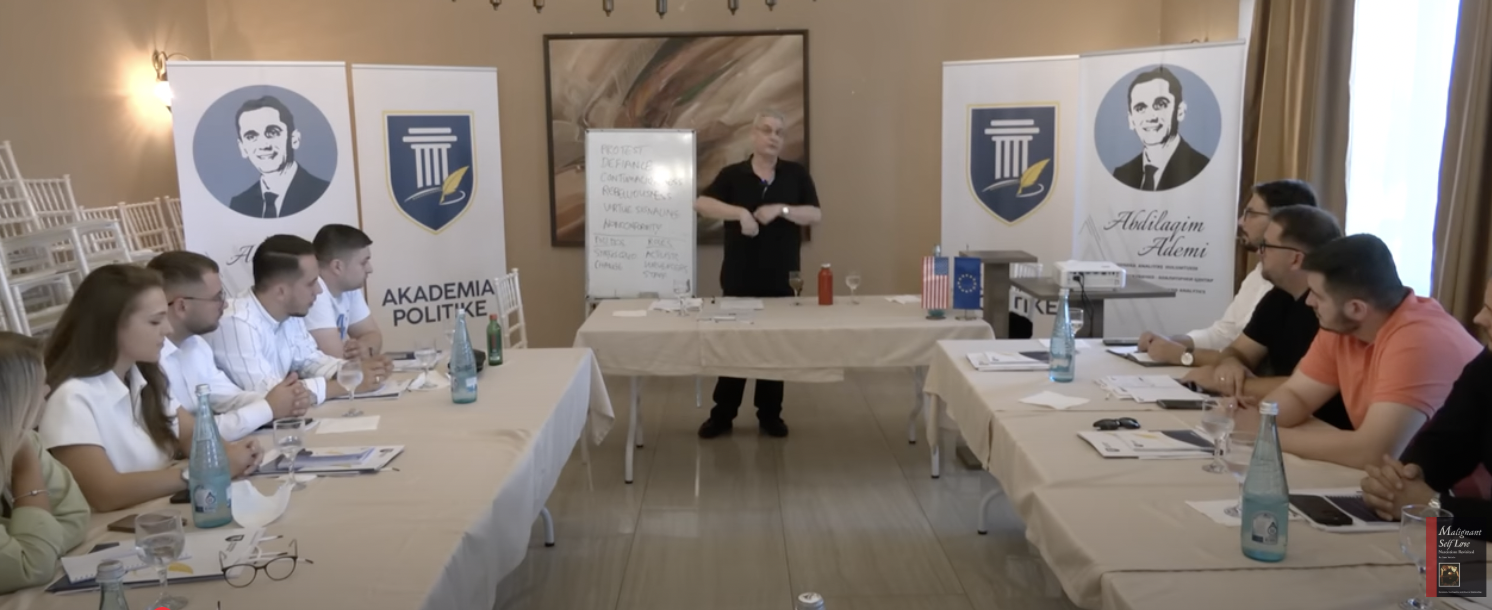
The Long Road for Young Politicians: Apprenticeship, Frustration, and the Perils of Powerlessness
When you think about youth engagement in politics in 2025, it’s easy to imagine that energy, fresh ideas, and idealism are enough to open doors. But as Sam Vaknin explains in his 2025 Political Academy lecture, the reality is much tougher. In politics, youth is not an asset—it’s a liability. The world’s most powerful leaders are rarely young. Consider these ages: Modi (74), Putin (72), Xi Jinping (72), Trump (79), Macron (47), Starmer (62), Netanyahu (71). Vaknin puts it simply:
"Before you have the very first taste of power, you will be 40 years old at least."
Decades of Apprenticeship: The Reality for Young Leaders
Entering politics as a young person means accepting a long apprenticeship. Vaknin compares it to learning a craft under a master—like a carpenter’s apprentice. For political apprenticeship for young leaders, this period often lasts 20 years. During this time, you will:
- Be told what to do by older, more powerful politicians
- Compromise your values and beliefs to fit in
- Face public criticism and suspicion, often without the ability to defend yourself
- Experience frustration and powerlessness, with little chance to make real change
Vaknin warns, “You will pay all the costs of being a politician and you will not have one benefit of being a politician. You will not have power. You will not be able to change anything.”
Why Is Youth a Liability in Politics?
Globally, leading countries is a job dominated by older generations. The political system is built on seniority, loyalty, and long-term relationships. When you are young, you have almost no options. In fact, the older you get, the more doors open. Vaknin notes, “When you are 60, you have many options. When you are 80, you have a huge number of options.”
Three Paths for Young Political Actors
Despite these barriers, there are still ways for young people to engage:
- Activism: Join social, climate, or justice movements. Youth political activism can build your reputation and network, but rarely leads directly to power.
- Influencer Work: If you can build a large social media following, you might attract the attention of senior politicians. However, as Vaknin points out, “How many people can get half a million followers?” For most, this is not realistic.
- Party Apprenticeship: Work within a political party or group, accepting years of limited influence and slow progress. This is the traditional path, but it requires patience and resilience in political careers.
For most young politicians, the early years are filled with frustration, compromise, and the constant test of your ideals. The journey is long, and the price is high, but understanding these realities is the first step to surviving—and eventually thriving—in the world of politics.
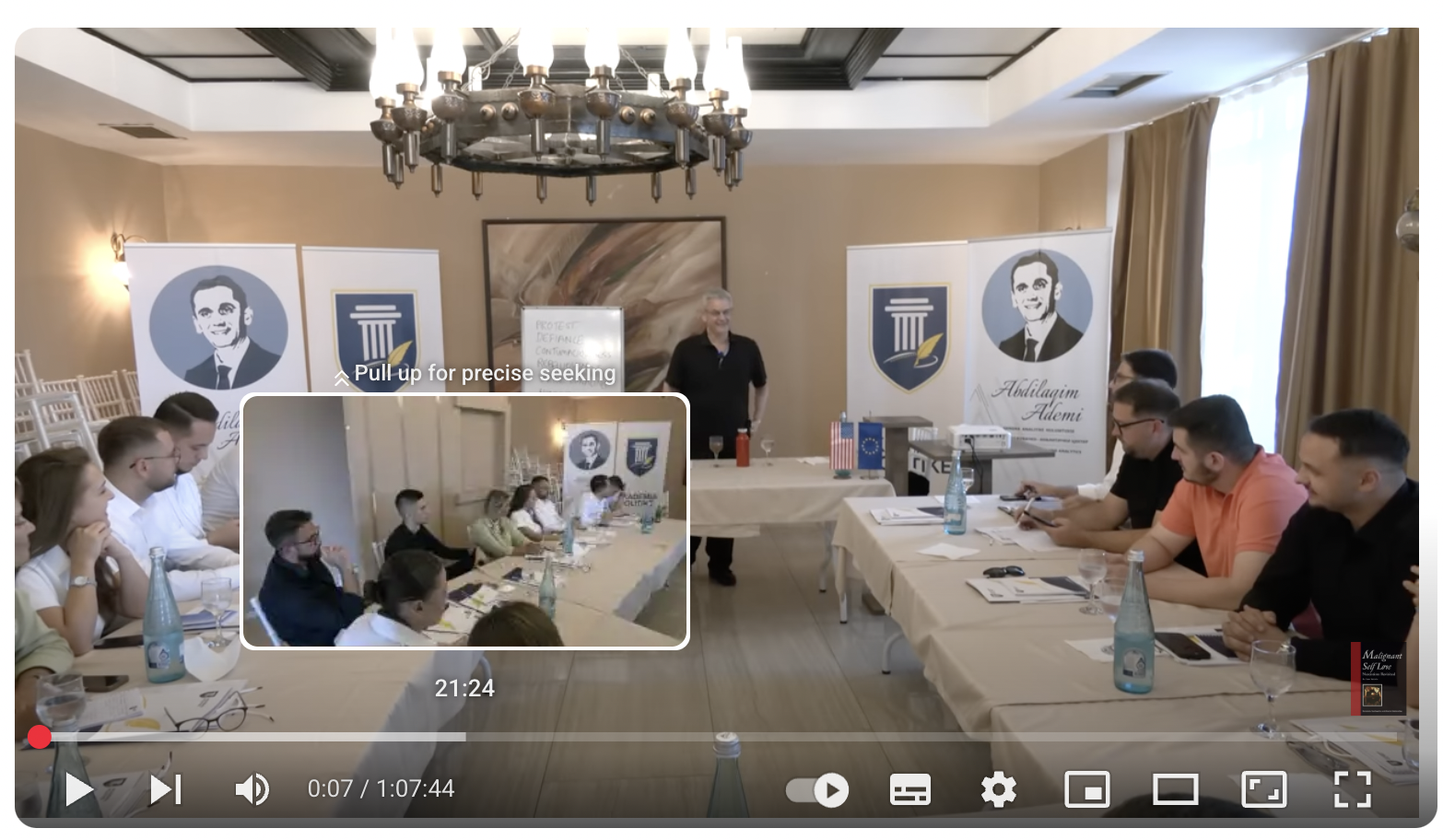
Resilience and Positive Legacy: Empathy, Inclusion, and the Dangers of Negative Identity
In his 2025 Political Academy lecture, Sam Vaknin delivered a powerful message for anyone considering youth engagement politics in 2025. He warned that the pursuit of popularity, admiration, or universal love is a trap that leads to anxiety, self-betrayal, and ultimately, a hollow legacy. Many politicians—especially those active on social media—fall into the cycle of chasing likes and stirring outrage. This chase for a viral moment or a trending hashtag can easily devolve into negative identity formation, where anger, victimhood, and nihilism become the core of one’s political persona. Vaknin’s advice is clear: resist these temptations, and instead, build your political identity on empathy, inclusion, and resilience.
The most enduring leaders are not those who simply echo the loudest voices or bend to every trend. Instead, they are the ones who protect their integrity, even when it means standing alone. Vaknin’s words ring especially true for youth political activism: “Never betray yourself. If it means the end of your political career, end your political career. As simple as that.” In a world where social media political identity can be shaped—and destroyed—in a matter of hours, this lesson is more important than ever. The real challenge is not to be liked by everyone, but to stay true to your values and vision.
For young leaders, especially those shaping political engagement strategies for youth, Vaknin’s warning against the cult of consensus is crucial. You cannot please everyone, and trying to do so will only dilute your message and weaken your resolve. Instead, focus on building an inclusive society where empathy and accessibility are at the heart of your work. This means making sure that political spaces are welcoming for all, including marginalized groups such as Deaf participants. Most Deaf people use sign language (such as BSL), not lipreading or speaking, so your policies and digital content must reflect this reality. Use text, visual alerts, and captioned video—not just sound—to ensure your message reaches everyone.
Vaknin’s deeper insight is that the dangers of negative identity—anger, victimhood, and the urge to retaliate—are especially strong for those who feel powerless or are striving to rise. But true resilience comes from resisting these impulses. Instead, aim to leave behind a positive legacy: stronger, more inclusive institutions, not just famous tweets or fleeting moments of fame. Empathy, accessibility, and resilience should shape the political landscape, especially in youth-led politics. The goal is not to be universally loved, but to stand by your ethics, even at personal cost.
In conclusion, the lesson for anyone interested in youth engagement politics 2025 is simple but profound. Do not seek love or consensus at the expense of your integrity. Build your political identity on empathy and inclusion, and leave behind a legacy that makes politics better for everyone. That is the true mark of leadership.
TL;DR: Politics isn’t a movie—it’s a marathon of setbacks, ethical crossroads, and hard-won integrity. Sam Vaknin’s lecture urges would-be leaders to resist temptations, stay true to their own values, and keep empathy at the heart of their work—no matter how long the wait for power. Inclusivity, resilience, and authenticity are the best legacy you can leave behind.
Hats off to [LinkedIn](https://www.linkedin.com/in/samvaknin) for the incredible insights! I highly encourage everyone to subscribe to his channel for more educational lectures and interviews. Don’t miss out on the valuable content—check it out here: https://youtu.be/LVyDBNUJniE?si=jn2QF4SIXHSgQNPk.


