Let me be real for a moment: Last Tuesday, I couldn’t fall asleep. My brain was like a DJ at a rave — pounding thoughts, swirling anxieties, playlists of worries on loop. Sound familiar? This post isn’t about mystical peace or unreachable zen. It’s for folks who want to stop getting tossed around by stress and learn what actually helps. Here are unvarnished strategies and behind-the-scenes stories from real people learning emotional mastery — because, let’s face it, we’re all wobbling sometimes. (Bonus: You’ll finally understand why that one breathing trick everyone talks about actually works.)
Stress Isn’t the Enemy (Your War With Reality Might Be)
When you think about how to manage stress, it’s easy to blame the chaos around you—work deadlines, family noise, or that never-ending to-do list. But what if the real problem isn’t the stress itself? What if it’s your resistance to what’s happening right now? This is where decision-making mindfulness and present-moment awareness come in as powerful stress reduction techniques.
Let’s get honest: Most of the stress you feel doesn’t come from the event itself. It comes from wishing things were different. Maybe you want your house to be quieter, your boss to be less demanding, or your mind to stop racing at night. The struggle is real. But the more you fight reality, the more your nervous system stays on high alert. As one expert puts it:
"The stress that we experience in life is based on us not accepting reality as it is. If you accept what is in front of you, you just won't be stressed."
Learning to accept the present moment—no matter how messy—can be a surprising stress-buster. Research shows that regular mindfulness practice calms the nervous system and interrupts the stress response cycle. When you practice experiencing what is, you’re not trying to change your thoughts or feelings. You’re simply noticing them. This is the heart of decision-making mindfulness: you work with what’s right in front of you, not what you wish was there.
Real-Life Chaos: You’re Not Alone
Every week, people share stories about stress from family, work, and sleep problems. Maybe you’ve tried to meditate while your kids are fighting in the next room or attempted deep breathing as your partner unloads their day on you. The urge to make the chaos disappear is universal. But life keeps happening. The trick isn’t to erase the noise—it’s to stop fighting it.
Anecdote: Chris and the Sleep Breakthrough
Take Chris, for example. He struggled with sleep for years, counting sheep and scrolling through his phone at midnight. Nothing worked—until he tried a simple mindfulness exercise. Instead of resisting his racing thoughts, he just noticed them. No judgment, no pushing away. Within weeks, Chris was falling asleep in 30 seconds. He even created a sleep program based on these mindful techniques. It’s not magic; it’s acceptance in action.
Stress Reduction Techniques in Action
- Body scan meditation: Notice sensations from head to toe, without trying to change anything.
- Breathing exercises: Focus on the breath as it is, letting thoughts come and go.
- Walking meditation: Pay attention to each step, each sound, each feeling.
Studies indicate that these mindfulness techniques not only help you manage stress but also improve emotional responses and decision-making under pressure. In fact, 4-5 team members in a football program reported better performance after practicing these skills in the third quarter—right when stress usually peaks.
So, the next time stress shows up, try meeting it with acceptance. When you stop fighting ‘what is,’ your nervous system finally gets a break.
Body-Based Awareness: The Secret Sauce (Why Your Nose Knows Best)
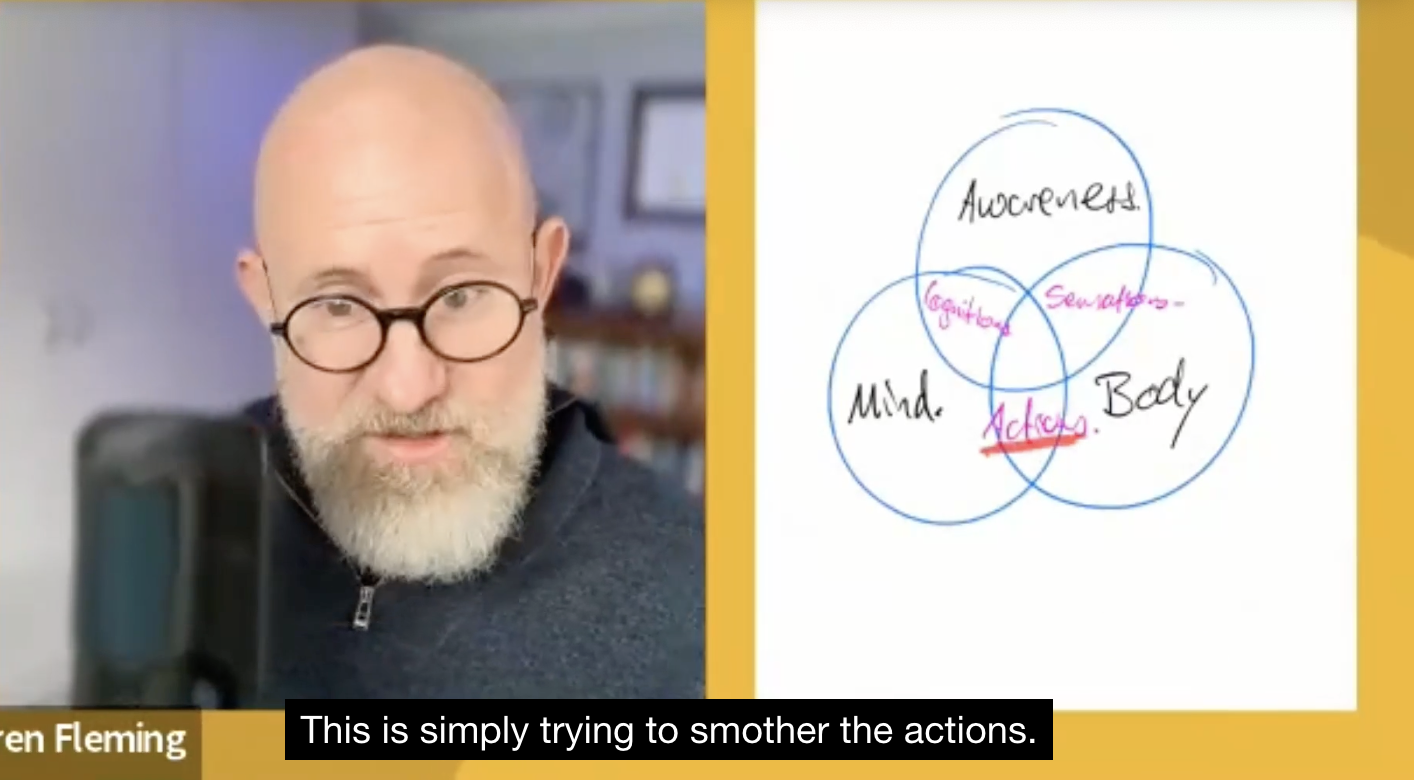
When you think of mindfulness exercises, you might imagine sitting quietly, trying to clear your mind of thoughts. But here’s a twist: the real magic often starts with your body, not your brain. This is where body scan meditation and breathing practice come in. These simple tools help you tune into your senses—especially the feeling of breath at your nostrils or the air brushing your skin. Why does this matter? Because your body is wired to notice the world before your mind even catches up.
Let’s break it down. Every living thing, even an amoeba, reacts to its environment by sensing what’s happening. This is evolution’s original alarm system. If you can’t sense your reality, it’s much harder to respond or adapt. For humans, sensory awareness is the first step in breaking the cycle of endless thoughts and worries. Research shows that tuning into physical sensations can actually enhance your emotional regulation and help you step out of mental rumination.
Start Simple: The Power of Noticing Your Breath
Try this: for just one minute, focus on the sensation of your breath at your nostrils. Don’t force anything—just notice. Is the air cool or warm? Does it tickle? Maybe it feels different on the inhale versus the exhale. This tiny act is a breathing practice that grounds you in the present moment. It’s not about stopping your thoughts, but about giving your mind something real and physical to anchor to.
Body Scan Meditation: Your Foundation
Another powerful tool is body scan meditation. You don’t need a perfect mood or a silent room. Just start—scan your body from head to toe, noticing any sensation, tension, or even numbness. If you only have a few minutes, that’s fine. The more you practice, the more natural it becomes. As one coach said, “If you’ve only got time for ten minutes, do it for ten because that’s better than nine, but nine is better than eight.” Consistency matters more than perfection.
Physical Awareness Is a Skill, Not a Superpower
It’s easy to think mindfulness is mystical or reserved for monks. In reality, it’s a skill anyone can build. Like learning a sport or instrument, it takes practice. In fact, athletes in the South Adelaide Football Club (SA NFL) improved their third-quarter performance just by spending 4-5 minutes on breathing practice during breaks. That’s a real-world example of how sensory awareness can help you “come back” when stress or anxiety takes over.
“Your ability to sleep is the ability to focus on nothing. And this is what it allows you to do.”
So, whether you’re lying awake at night or facing a stressful day, remember: your nose really does know best. Start with your senses, and let your body lead the way to clarity and calm.
Interrupting the Stress Cycle: The 6 Don’ts and The Awareness Trigger
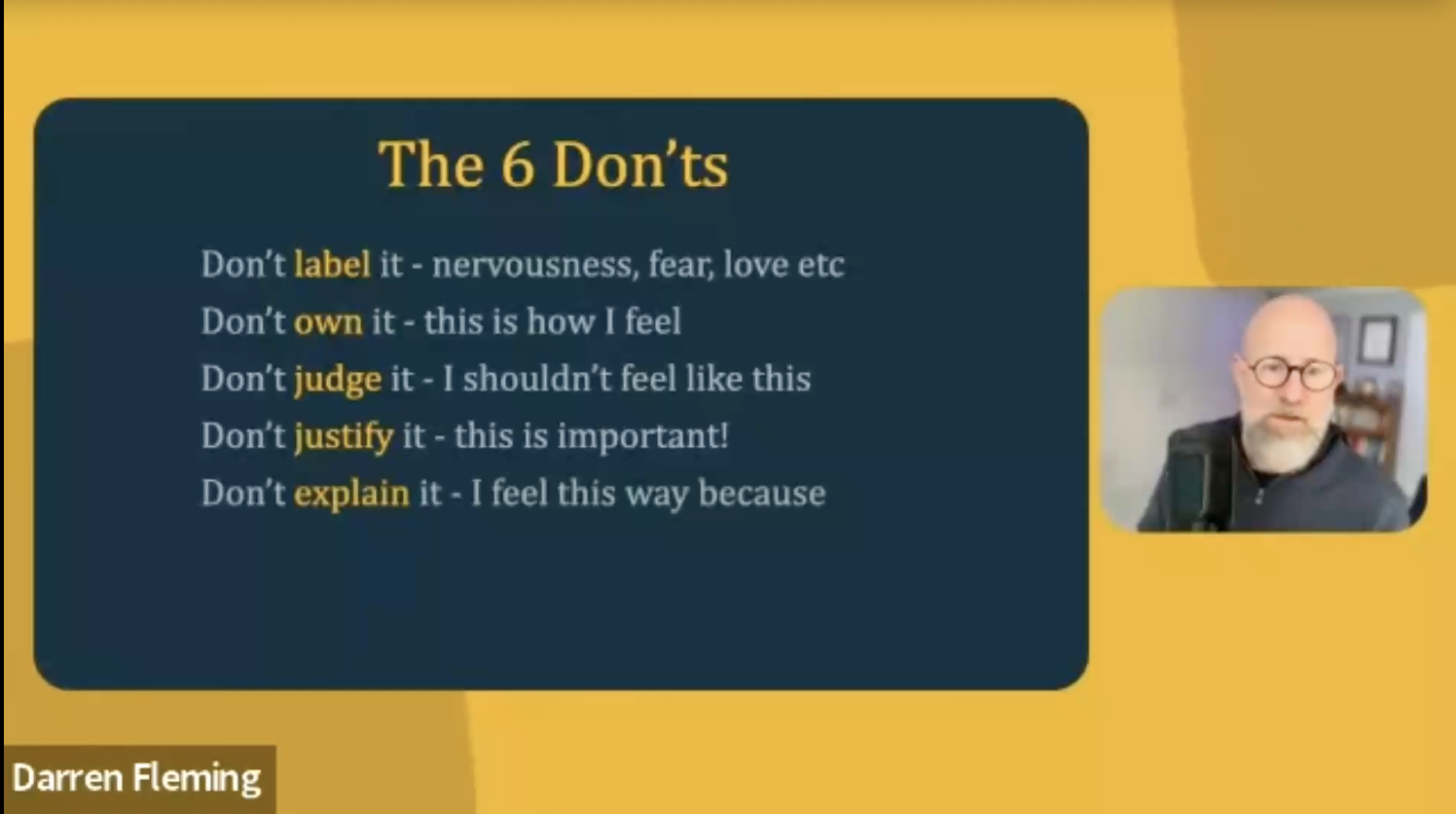
When you’re learning mindfulness exercises, it’s easy to fall into the trap of trying too hard. You might judge your progress, expect a certain feeling, or even critique yourself for not “doing it right.” That’s where the “6 Don’ts” come in—a set of practical, anti-perfection steps that make mindfulness accessible, especially for beginners. These steps are simple, but powerful: Don’t force, judge, remember, forget, expect, or critique during your practice.
- Don’t force: Let your experience unfold naturally, without pushing for a certain outcome.
- Don’t judge: Notice thoughts and feelings without labeling them as good or bad.
- Don’t try to remember or forget: Stay with what’s happening now, not what should or shouldn’t be.
- Don’t expect: Release the need for your practice to look or feel a certain way.
- Don’t critique: Let go of self-criticism and perfectionism.
As one mindfulness teacher puts it:
“If you try to or it should be slow or it should be faster, it should be deeper, it should be shallow, or I should feel this or I shouldn't feel that, you're not accepting reality as it is.”
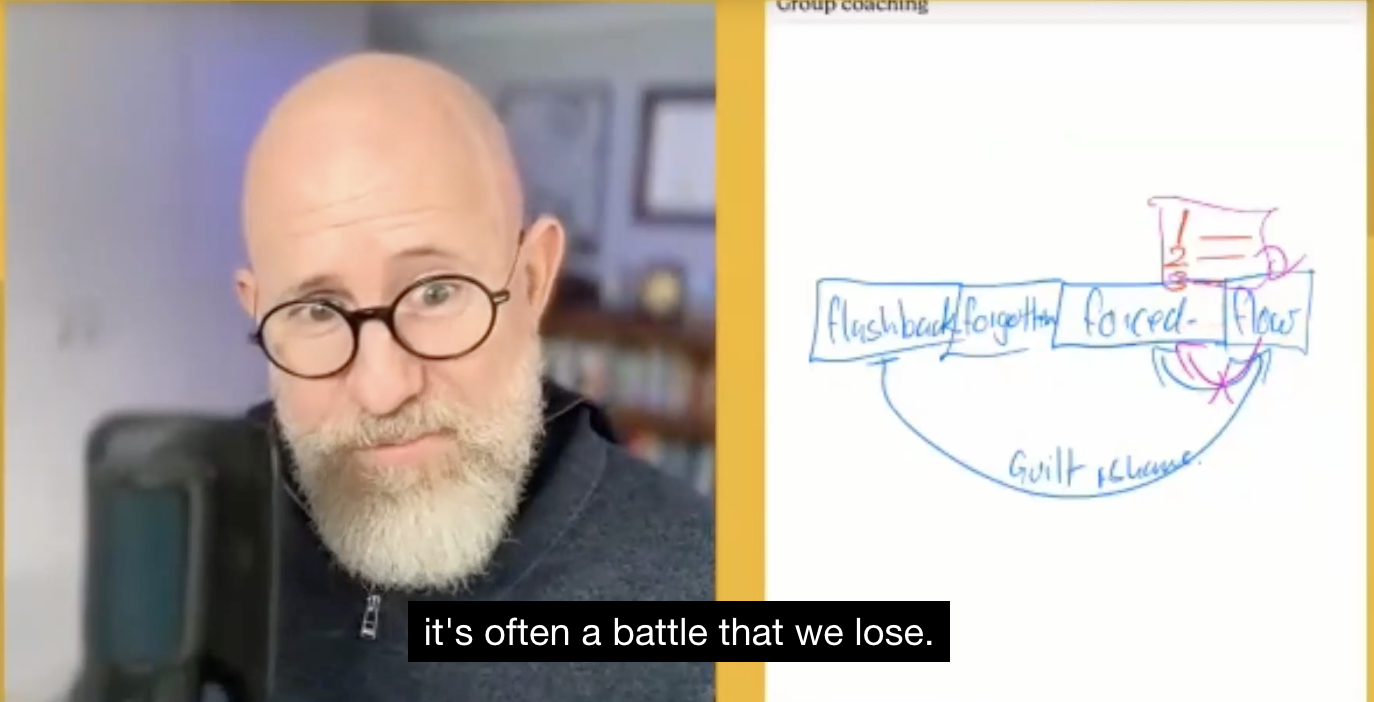
These stress reduction techniques are about returning to sensation, not chasing a particular state. Humans naturally crave pleasant sensations and condemn uncomfortable ones. The real trick is learning not to chase or run from what you feel. This is where the Awareness Trigger becomes a game-changer: Notice the urge to react—then pause, breathe, and feel your body instead. This simple act interrupts automatic reactions and helps calm your nervous system.
Research shows that even ten minutes of consistent practice can make a measurable difference. You don’t need to meditate for hours; what matters is showing up regularly. In fact, a recent example from the South Adelaide Football Club illustrates this perfectly. Only four or five players practiced a short mindfulness exercise during their quarter break. The result? A statistically significant improvement in team performance during the third quarter, as measured by official game data. The takeaway: Even a handful of people using mindfulness in sports can shift the dynamic for everyone.
Why does this work? Because pausing for an emotional reset—rather than jumping straight into strategy—gives your mind and body a chance to recover. This isn’t just theory. Studies indicate that mindfulness exercises like body scans, breathing meditation, and sensory awareness help break the stress cycle, improve emotional regulation, and enhance decision-making under pressure.
So, next time you notice yourself reacting—whether on the field, at work, or at home—try the Awareness Trigger. Pause. Breathe. Feel your body. Let go of the urge to force or critique. Remember, ten minutes is enough. Consistency beats perfection every time.
From Crisis to Clarity: Mindfulness Tools for Real-World Challenges
When life feels like a whirlwind—work deadlines, family chaos, or even media controversies—it’s easy to get swept up in the storm. But what if you had a simple tool to help you step out of the chaos and find clarity, even when everything is spinning around you? That’s where Mindfulness for Stress comes in. Let’s look at how real people are using mindfulness to navigate tough days and make better decisions under pressure.
Staying Grounded in the Eye of the Storm
One participant recently shared their experience during an incredibly stressful week. Despite the emotional upheaval, they committed to just 15 minutes of breath awareness each day. The result? A surprising sense of calm, even as stress and uncertainty swirled around them. In their own words:
"All these crap is moving around me, but I'm able to sort of remove myself from the noise as such and look at it from a calmer, more stable point of view."
This is the heart of Mindfulness Benefits: you don’t have to stop the storm, but you can find shelter within it. Research shows that regular mindfulness practice—like body scans or breathing meditation—can calm your nervous system and interrupt the stress response cycle. You learn to observe your emotional responses instead of being swept away by them.
Making the Next-Best Decision When It Counts
When you’re present—not panicked—making decisions under pressure becomes much easier. This is where Decision-Making Mindfulness shines. By practicing mindfulness, you create a small gap between what’s happening and how you react. That gap is where clarity lives. Instead of reacting impulsively, you can choose your next step thoughtfully—even in the middle of a crisis.
One attendee described how, even with industry stress and negative media coverage, sticking to their mindfulness routine helped them respond with more stability. They weren’t just surviving the week—they were making better decisions, one moment at a time.
Real-World Tools for Real-World Stress
- Breath Awareness: Just 15 minutes a day can anchor you in the present.
- Sensory Check-Ins: Notice what you see, hear, and feel to ground yourself.
- Stepping Back: Picture yourself watching the storm from a safe distance.
These tools aren’t just for meditation cushions. They work in boardrooms, busy kitchens, and even during heated conversations. Studies indicate that mindfulness techniques like the S.T.O.P. practice and guided breathing exercises are practical shields in high-stress scenarios, improving both emotional regulation and decision-making.
The Coldplay Concert Analogy
Sometimes, overreacting to a single stressful moment can trap you in a bigger story—like getting stuck on one song at a concert and missing the rest of the show. Mindfulness helps you notice when you’re caught up, so you can let go and move forward.
Whether you’re facing a tough week at work or just overthinking a social moment, mindfulness offers clarity. It’s not about escaping stress, but about changing your relationship with it—one breath at a time.
Making Mindfulness Your Own: Imperfection, Habit, and Small Victories
When it comes to building a mindfulness practice, the journey is rarely perfect. You might start off with big ambitions—maybe aiming for four sessions a day, every day. But let’s be honest: life happens. Some days, you’ll fit in multiple mindfulness meditation practices, and on others, you might not manage even one. That’s not a failure. In fact, research shows that imperfect consistency is the real key to sustainable mindfulness habits. The most important thing is that you keep coming back, no matter how many times you stop or start.
It’s easy to get caught up in the idea that more is always better. But as one group member wisely put it,
'If you've only got time for ten minutes, do it for ten because that's better than nine, but nine is better than eight.'This simple reminder highlights that every minute you dedicate to mindfulness benefits you. Even a short session can help interrupt the stress cycle, calm your nervous system, and bring you back to the present moment. Studies indicate that regular mindfulness meditation practice—even in small doses—can reduce stress, improve emotional regulation, and enhance overall well-being.
Building a habit takes time, and it’s rarely a straight line. You might have a day where you practice four times, feeling like you’re finally getting the hang of it, only to skip the next day entirely. That’s normal. Accepting these starts, stops, and moments of “wonky progress” is part of the process. In fact, laughing at your so-called “failures”—like falling asleep during a body scan or losing focus during a breathing meditation—is not just okay, it’s encouraged. Snoring during practice? That’s a win, too. It means you’re letting go and allowing your body to relax, which is one of the core mindfulness benefits.
Social encouragement plays a big role in keeping your mindfulness practice alive. In group coaching sessions, like those offered to sports teams or in programs such as “Fall Asleep Fast,” participants often share stories of inconsistent practice and friendly jibes about who fell asleep first. This camaraderie helps everyone realize that imperfection is universal. The biggest breakthroughs often come when you show up and try, even after setbacks. Don’t let embarrassment or self-criticism kill your momentum. Instead, lean into the support of your group or community.
Ultimately, the only wrong way to practice mindfulness is not to practice at all. Whether you’re following a structured program or simply carving out a few quiet moments in your day, remember that progress is personal. Mindfulness meditation practice is about meeting yourself where you are, not where you think you should be. Each small victory—each minute spent in awareness—interrupts the stress cycle and brings you closer to clarity and calm. So, celebrate your imperfect efforts. They’re the foundation of a sustainable, rewarding mindfulness journey.
TL;DR: You don’t need to be perfect to find clarity: small, honest mindfulness routines, body awareness, and letting reality be what it is can break the stress cycle and help you make better choices, even on your worst days.
Congratulations to Creator Darren Fleming for the insightful content presented in the Small Group Coaching session on July 24 – Week 2. Check it out on Vimeo: https://vimeo.com/1104311599.


