
The first time I watched 'Light on Iyengar Yoga,' I was struck by the raw honesty woven through each frame. Growing up, I never thought yoga was for 'people like me.' It seemed reserved for the ultra-flexible or the serenely spiritual. But Depi’s journey—from soldier to survivor to yoga teacher—shattered those preconceptions. What if yoga isn’t about who can bend the farthest, but who can rebuild, recover, and rediscover themselves through movement and breath? That’s the heart of this documentary—and of the outline that follows.
Section 1: Iyengar Yoga’s Surprising Entry Points—Prisons, Wounded Warriors, and Second Chances
When I first began teaching Iyengar Yoga, my students were wounded soldiers—men and women whose lives had been changed forever by injury. Some were maimed in war, others by accidents or illness from birth. The practice of yoga, especially Iyengar Yoga with its focus on alignment and breath, offered them a way to reconnect with their bodies. I saw firsthand how yoga therapy could help manage pain, restore a sense of control, and bring moments of peace to those living with trauma. This was my introduction to the power of Yoga and Trauma recovery.
But my journey didn’t stop there. One day, I was approached with a new challenge: would I bring Iyengar Yoga into a prison? Not just any prison, but the most secure wing—home to individuals convicted of the most serious crimes. The guards were skeptical, even fearful. They insisted on staying in the room, guns at the ready, worried for my safety. I remember telling them, “This is yoga. Iyengar yoga. You stay outside. Don’t you come inside.” There was a tension in the air, a sense of being watched from all sides. Yet, as the classes began, something remarkable happened.
The transformation was slow but unmistakable. At first, the prisoners were wary, some even resistant. But Iyengar Yoga is adaptable. Its methods can be tailored for any body, any background. Over time, I watched as hardened faces softened. The practice gave these men a rare opportunity: a space to breathe, to move, to find balance—physically and emotionally. The guards, too, began to trust the process. They saw the changes, subtle at first, then more profound. Yoga in prisons was working.
I’ll never forget the hush that fell over the yoga room. It was unlike anywhere else I’ve taught. There was a sense of respect, almost reverence, for the practice. Research shows that Yoga Therapy can be a powerful tool for trauma recovery, helping to manage anxiety and improve mental health. In this prison, the effects were clear. The waiting list for the Iyengar Yoga class soared to 100 within just six months—a number that far surpassed any other program offered. The demand spoke volumes about the need for healing and hope.
“It’s a blessing for every prisoner to learn. Most of the people that learn want to change their life, want a line in their life.”
This quote from one of the participants captures the heart of what I witnessed. Yoga in prisons isn’t just about stretching or breathing. It’s about giving people—often those society has written off—a second chance. Studies indicate that Iyengar Yoga’s methods, when adapted for high-need populations, yield high engagement and emotional healing effects. The mental health benefits are real, and the impact on trauma recovery is profound.
Iyengar Yoga’s reach goes far beyond traditional studios. Whether with wounded warriors or prisoners, the practice offers self-control, balance, and, most importantly, hope. The journey is never easy, but the possibility for transformation is always present.

Section 2: From Chronic Pain to Empowerment—Personal Journeys of Healing and Strength
When I think about the true Iyengar Yoga Benefits, my mind always returns to the stories of real people—those who have faced the kind of pain that seems insurmountable. My own journey began in the aftermath of war. As a young soldier, I was caught in a landmine explosion. The prognosis was bleak: eight months in the hospital, doctors warning me that paralysis was almost certain. I was not even twenty, and it felt as if my life had ended before it really began.
After leaving the hospital, I lived with constant pain for fifteen years. Sitting, lying down, sleeping, eating—pain was my companion. The idea of chronic pain management felt like a distant dream. But then, in America, I discovered Iyengar Yoga. At first, I treated it as just another form of exercise. Everything changed at a yoga convention at Harvard, where Guruji himself noticed me in a crowd. He saw past the surface and recognized a “medical case.” With a single, precise adjustment—his large hand twisting my hips—my pain vanished. I remember thinking,
“My pain is gone. Fifteen years constant sitting, lying, sleeping, eating, everything, I had pain. He just did some adjustment.”
Guruji insisted I come to Pune for medical classes. I was hesitant, even resistant. He told me, “First, I break you.” I wondered, what more could possibly break? But it wasn’t my body he meant—it was the mental and emotional barriers built up by years of suffering. This is where Yoga Therapy truly began for me. Research shows that Iyengar Yoga’s precise alignment can dramatically reduce chronic pain and even symptoms of depression. For me, it restored not just movement, but hope.
I am not alone in this transformation. One student shared how a workplace injury left him unable to walk for six months. Doctors and alternative therapies offered no relief. He became bitter, isolated, and lost. Then, through steady practice at the CPIS Institute, he found his way back—first to movement, then to teaching others. Another story comes from someone who turned to yoga for cancer recovery. Chemotherapy had left her weak and broken, both physically and emotionally. Through Iyengar Yoga, she gradually regained strength and a sense of self-worth.
These stories highlight a key concept: Yoga for Pain is not just about the body. It’s about reclaiming autonomy, dignity, and joy. The Iyengar approach adapts to disability, meeting each person exactly where they are. Studies indicate that yoga enables mental and emotional restoration, even for those with severe limitations. I used to believe that flexibility meant invincibility. Now I know: the real victory is when the pain eases, and you can stand tall—no matter where you started.
Through these journeys, it becomes clear that Yoga and Self-Empowerment go hand in hand. Whether it’s chronic back pain, cancer, or the invisible wounds of trauma, Iyengar Yoga offers a path from despair to empowered action. The transformation is not always quick, but it is always profound.
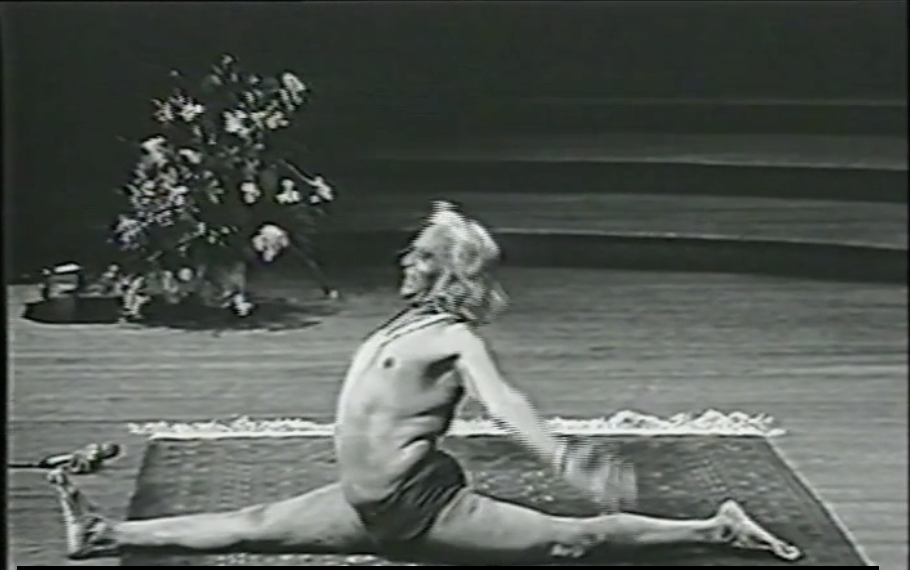
Section 3: Yoga on the Margins—Athletes, HIV/AIDS, Addiction, and the Power of Adaptation
When we talk about yoga for health, it’s easy to picture serene studios and flexible bodies. But the real power of yoga—especially Iyengar Yoga—often shines brightest at the margins, where people face unique physical and emotional challenges. In my experience, it’s in these spaces that yoga therapy becomes truly transformative.
Yoga for Athletes: Flexibility, Injury Prevention, and Inner Alignment
I’ve seen firsthand how football teams and martial artists are embracing yoga, not just for stretching, but as a vital tool for injury prevention and mental focus. At first, some coaches were skeptical—one even joked that yoga might make players “too bendy” for the roughness of the game! But as we worked through Guruji’s restorative sequences, especially those designed for post-cancer recovery, the benefits became clear.
- Players reported fewer injuries and greater flexibility, especially in the back and pelvis—areas often tight from strength training.
- One player, facing possible back surgery, avoided it altogether after six months of targeted yoga therapy. Five years later, he’s still playing first-grade football.
- Martial artists discovered that yoga improved their balance and helped them reconnect with the deeper, meditative roots of their discipline.
What stands out is how yoga for health adapts to each athlete’s needs, complementing explosive training with mindful movement and recovery.
Yoga for HIV/AIDS: Community Outreach and Immune Support
Since 1988, The Yoga Group in Colorado has offered free Iyengar Yoga classes to people living with HIV/AIDS. I’ve taught some of these classes myself, and the commitment of the students is inspiring. Many arrive exhausted, but leave with a sense of ease and renewed energy. As one longtime student put it:
"Iyengar Yoga has been a tremendous help to those who are living and coping on a daily basis with this virus."
With over 150 HIV-positive students registered, the program focuses on poses that support the immune system, improve mood, and help manage medication side effects. Research shows that yoga for HIV/AIDS can boost CD4 counts and enhance overall well-being. Inversions and backbends, in particular, are used to stimulate the thymus and endocrine system, supporting the body’s natural defenses.
Yoga for Addiction Recovery: Regaining Agency and Clarity
In Spain, India, and beyond, yoga for addiction is being woven into recovery programs. I’ve witnessed how integrating Iyengar Yoga with psychosocial support helps people regain self-control and emotional balance after dependence. The combination of mindful movement and breathwork offers a sense of agency and hope—key ingredients in long-term recovery.
Inclusivity: Making Yoga Accessible for All
While the documentary doesn’t focus on the Deaf community, I believe yoga can be adapted for every ability. Demonstration-rich classes, clear body-based cues, and visual aids make yoga community outreach possible for everyone, regardless of hearing or mobility challenges.
From professional athletes to those living with chronic illness or addiction, Iyengar Yoga proves its power to adapt, heal, and empower—wherever it’s needed most.
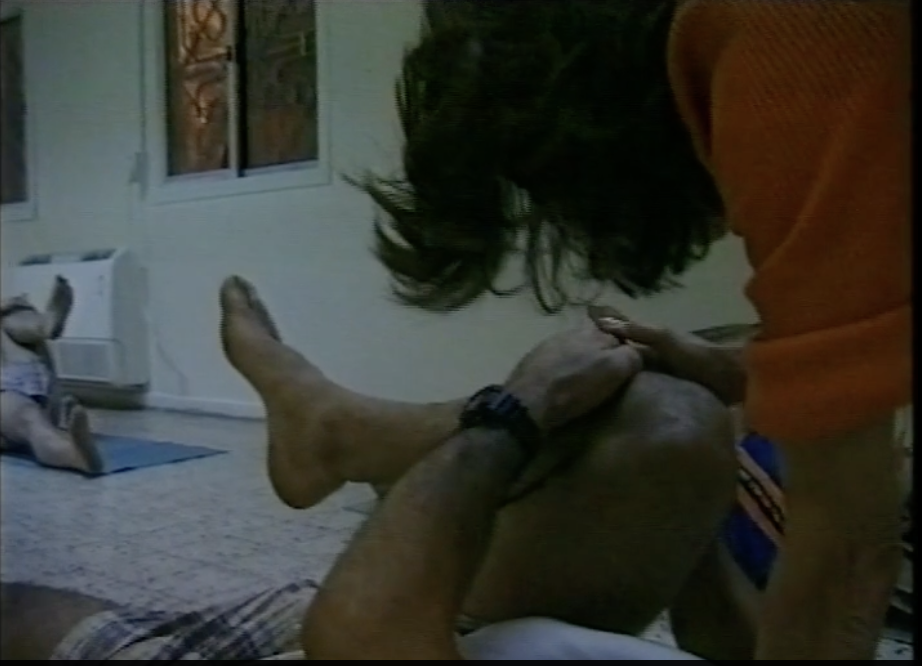
Conclusion: Expanding the Circle—Why Iyengar Yoga’s Transformative Energy Belongs Everywhere
As I reflect on my own journey with Iyengar Yoga, I am struck by how its transformative energy truly knows no boundaries. When I first began, I was shy and insecure, often doubting myself and my place in the world. Through the steady practice of Iyengar Yoga, I learned to open my chest—literally and figuratively—and say, “Here I am.” This simple act of alignment became a blueprint for healing, not just for me, but for so many others I have met along the way.
Iyengar Yoga’s reach extends far beyond the mat. It is practiced in every corner of Europe, from the bustling cities of Madrid and Barcelona to the quiet landscapes of Galicia and Andalusia. But its real power lies in its adaptability. Whether in hospitals, prisons, sports fields, or among marginalized communities, Iyengar Yoga offers tools for self-empowerment and healing. Research shows that its precise alignment and focus on breath can help reduce depressive symptoms, manage chronic pain, and improve overall health. For those recovering from trauma or addiction, or living with chronic illnesses, Yoga Therapy rooted in Iyengar principles provides a way to regain control and confidence.
What makes Iyengar Yoga so inclusive is its philosophy. Unlike some Western approaches that treat the mind as an object to be analyzed, yoga sees the mind as a process—something that can be shaped and softened through practice. I found that, over time, the constant hesitation and self-doubt I carried began to fade. The practice gave me the power to make decisions quickly and with conviction. It’s not about being perfect; it’s about being present, and about learning to trust both the logic of the brain and the intuition of the heart.
I have met people from all walks of life—students, teachers, people in recovery, those living with disabilities—who have found a sense of wholeness through Iyengar Yoga. Some came to the practice with deep insecurities or health challenges, like eating disorders or chronic pain. Others simply wanted to feel more at home in their bodies. In every case, the principles of alignment, adaptation, and self-exploration created space for transformation.
"Yoga is the window that lets the light of transformation enter—even through the thickest walls."
If you are new to yoga, or if you have ever felt that it wasn’t for you, I encourage you to experiment. Try a pose. Focus on your breath. Adapt the practice to your needs—there is no one right way. For Deaf readers or anyone with unique challenges, know that Iyengar Yoga is designed to be accessible and inclusive. The circle of healing is always expanding, and there is room for everyone.
In the end, I never expected to feel such kinship with so many lives so different from my own. But Iyengar Yoga has shown me that wholeness is possible for everyone, no matter where their journey begins. Healing through yoga is not just a possibility—it is a promise, waiting to be discovered, one breath at a time.
TL;DR: Iyengar Yoga reaches far beyond the yoga mat, breaking barriers in prisons, hospitals, and sports fields. Its emphasis on alignment, accessibility, and deep presence offers tools for healing, especially for those facing trauma, chronic pain, or recovery. The greatest lesson? Yoga truly adapts to every body—and every story.
Shoutout to the Content Creator: 🎥 Created by Iyengar Yoga Australia 📌 Original Video Link: https://vimeo.com/1104447943 📜 License: Creative Commons Attribution (reuse with credit) for the valuable content.


