Picture this: Early morning in rural Tuscany, the sun glinting off centuries-old vineyards, and a handful of neighbors gathering—not for harvest, but for a modern art installation in a medieval square. That’s not just my favorite travel memory, it’s a snapshot of a movement. As someone who’s both lived art and researched how communities reawaken, I’m hooked on what happens when creativity becomes the pulse of rural places. Today, let’s unravel how Tuscany’s traditions—blended with unconventional art and clever business—spark new models for thriving, inclusive communities. Spoiler: it’s much more than wine.
Creativity & Rural Renewal: The Power of Art in Place-Making
When you think of art, you might picture grand museums or bustling city galleries. But in rural Tuscany, creativity is finding a new home—right in the heart of small towns and villages. Here, immersive art installations are not just decorative; they are catalysts for community renewal and well-being.
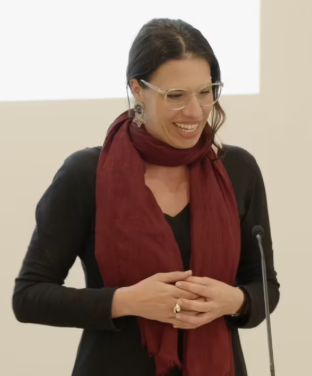
Sara del Bene’s journey is a perfect example of this transformation. With a background that blends traditional sculpture, political science, and economics, Sara brings a unique perspective to the role of art in society. Her early work focused on classic forms, but over time, her practice evolved. Today, she is known for creating site-specific installations that invite participation and spark conversation among residents.
As Sara explains, “My tool, in a way, is really to create this immersive, dynamic, and rooted art installation with digital twist.” This approach goes beyond simply placing art in a rural setting. It’s about using creativity as a tool for social and emotional rejuvenation—especially in places that may feel isolated or overlooked.
The well-being artwork program 2018, which Sara launched in Brussels, set out to investigate the deep connections between creativity and community health. Through this initiative, she explored how art could foster a sense of belonging, encourage dialogue, and support mental well-being. The program’s findings echo what research shows: immersive art and cultural programs contribute to community heritage preservation and well-being in rural Tuscan communities.
But what does this look like in practice? Imagine a quiet Tuscan village where a once-empty square is transformed by a vibrant installation. Suddenly, the space becomes a gathering point for locals and visitors alike. Children play, neighbors chat, and the whole community feels a renewed sense of pride. These immersive art installations activate public spaces, turning them into living canvases for shared experiences.
This kind of community building creativity is especially powerful in Tuscany, where agritourism is booming. With land prices rising and nearly 1.3 million tourists visiting agritourism establishments in 2023, there is a growing need to preserve local culture while embracing change. Art steps in as a bridge, connecting tradition with innovation. By reimagining familiar landscapes, artists like Sara help rural communities celebrate their heritage while welcoming new opportunities.
It’s important to recognize that these projects are not just about aesthetics. They are about creating spaces where people feel seen, heard, and valued. The well-being artwork program 2018 demonstrates how art can be a practical tool for healing and connection. In Sara’s words, the goal is to make art that is “dynamic and rooted”—reflecting both the history and the future of the place.
Through immersive art installations and community-driven projects, rural Tuscany is showing how creativity can spark renewal. This is more than cultural preservation through art; it’s a movement that puts people and their stories at the center of rural life.
 Heritage Economy" />
Community Models in Tuscany: Agritourism, Identity, and Heritage Economy
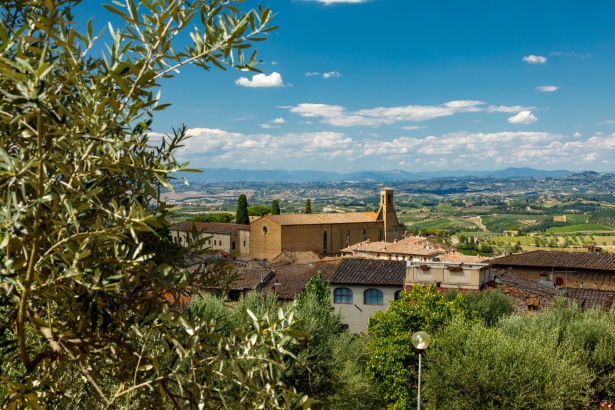
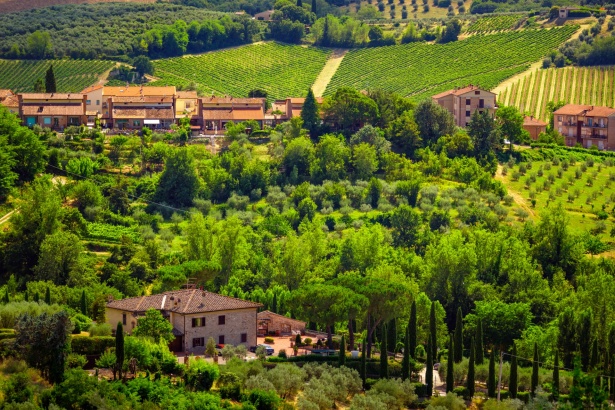
When you explore the heart of Tuscany, you quickly see why it stands out as a leader in agritourism in Tuscany. The region is home to over 5,600 agritourism establishments, more than anywhere else in Italy. Many of these are family-run and, in some cases, almost invisible to the casual visitor. This is not just about numbers—it's about how these businesses shape the identity and heritage of Tuscany rural communities.
The growth in agritourism demand has brought both opportunities and challenges. In places like Chianti, where the rolling hills and vineyards create a postcard-perfect landscape, visitor numbers have soared. In 2023 alone, Chianti welcomed about 1.3 million visitors. This influx has sparked debates about sustainability and the impact on local life. Administrations and community organizations are now working to rebrand and coordinate tourism, aiming to balance economic growth with the preservation of local traditions.
One innovative approach you’ll find is the Albergo Diffuso model. Imagine staying in a medieval village where your accommodation is spread across several historic homes, rather than a single hotel building. There are no flashy signs—just an authentic welcome that blends seamlessly into the village. This “invisible hospitality” is designed to protect the unique character of the area while still supporting the local economy. It’s a creative solution that demonstrates how business models can support both tourism and the community heritage of Tuscany.
Not every rural area in Tuscany is seeking more tourists. In the Amiasa region—nestled between Siena and Grosseto—the landscape is wilder and less touched by mass tourism. Here, the annual visitor count is closer to 220,000. What’s remarkable about Amiasa is its reliance on volunteer organizations, which are now evolving into more business-focused hospitality ventures. The goal isn’t just to attract visitors, but also to welcome new residents who can bring fresh energy and ideas. As one local put it,
“They really want to welcome new residents for new opportunity.”
The heritage economy in Tuscany is also supported by local festivals and businesses that celebrate and protect cultural products. Take the Roica event in Chianti, for example. Since 1997, this festival has helped preserve the region’s historic vineyard roads, drawing attention to the importance of landscape and tradition. In Amiasa, local pride centers on olive oil named after a local saint, with initiatives aimed at preserving both the product and the convent associated with it.
Research shows that this blend of hospitality, local food, and immersive experiences is what keeps Tuscany’s rural economy vibrant. The region’s success in agritourism is not just about attracting visitors—it’s about integrating them into the living heritage of the land. By supporting sustainable business models and celebrating community identity, Tuscany continues to set an example for rural renewal across Europe.
Lessons for Global and Deaf-Led Projects: Collaboration, Healing, and Belonging
If you want to build a thriving community—whether in rural Tuscany or within Deaf-led initiatives—the secret is simple: involve people as actors, not just spectators. This principle is at the heart of community building creativity and cultural preservation through art. In Sara del Bene’s work, for example, art installations are not just something you look at. Instead, they invite you to step in, participate, and shape the experience. As she puts it,
"...artistic intervention is really to create, engaging installation and people sent with this people center approach and really putting the audience to be an actor."
This approach is especially powerful for Deaf and marginalized groups, who are often left on the sidelines. When you design projects that encourage everyone to contribute, you foster a sense of belonging and empowerment. In Tuscany, this people-centered model is visible in how volunteers, artists, and institutions work together—not in isolated silos, but in synch. The result? Stronger social bonds and a more vibrant, resilient community.
Social entrepreneurship is another lesson you can draw from Tuscany’s rural renewal. Here, businesses are not just about profit. They return value to the community—sometimes by reviving local products, other times by protecting sacred spaces or celebrating collective memory. For example, the Chianti region isn’t just famous for its vineyards. It’s also home to events like the Roica, which preserves historic vineyard roads and brings people together to celebrate the land. In the Amiasa area, local olive oil production is tied to religious tradition and the preservation of ancient convents. These efforts blend economic opportunity with cultural preservation through art and ritual.
Research shows that heritage-focused, creative entrepreneurship strengthens both social and economic ties. Tuscany’s agritourism boom is a case in point. With over 5,600 agritourism establishments and nearly 1.3 million visitors in 2023, the region is a leader in sustainable tourism. Yet, the focus isn’t just on attracting tourists. Local leaders are actively seeking new residents—people who want to become part of the community, not just pass through. This dual focus on tourism and residency is a model that global and Deaf-led projects can learn from.
At the heart of these efforts is a kind of spiritual activism. Healing and belonging are woven into the very fabric of placemaking. When you give every voice—not just the loudest—a chance to lead, you create space for true empowerment. This is especially relevant for Deaf empowerment, where inclusivity and creativity are essential. By grounding projects in heritage, creativity, and inclusivity, you lay the foundation for communities that are both resilient and welcoming.
- Engage people as active participants, not passive observers.
- Blend social entrepreneurship with cultural and spiritual values.
- Foster collaboration between volunteers, artists, and institutions.
- Ground healing and identity in shared heritage and creative expression.
These lessons from rural Tuscany offer inspiration for anyone working to build inclusive, sustainable communities—whether you’re leading a global initiative or empowering Deaf voices in your own backyard.
Conclusion: The Forgotten Power of Coming Home—To Each Other and Ourselves
When you look closely at rural Tuscany, you see more than rolling hills and ancient vineyards. You see a living example of how community heritage in Tuscany can transform not only the land, but the hearts and futures of those who call it home. This is not just about preserving the past. It’s about using creativity—art, spiritual activism, and even Deaf empowerment—to build something new, together.
Research shows that empowering communities through heritage and art creates sustainable pathways for belonging and well-being. Tuscany’s story is a powerful reminder of this truth. Here, tradition is not a cage. It’s a foundation for innovation. Local festivals, immersive art installations, and spiritual gatherings are not just events for tourists. They are invitations for everyone—residents and newcomers alike—to belong, to heal, and to shape the future.
It’s easy to think that rural renewal needs big investments or flashy projects. But often, healing places start with simple creative sparks. A vineyard festival that brings neighbors together. A mural painted by Deaf artists, telling stories in a new visual language. A spiritual retreat that welcomes all, regardless of background. These are the moments that quietly rebuild community, one connection at a time.
There’s a lesson here for anyone interested in Tuscany tourism sustainability or rural innovation. As one local administrator put it:
"What I can say to sum out of this brief overview of rural landscape in, in Tuscany is that actually there is this duality with its tourism and residency, But in rural area, especially in the areas, I really found out talking with, talking with, with the authorities and local administrator, it's really that they are looking for new residents. They're not looking for tourists."
This duality is important. Yes, Tuscany welcomes visitors. But the real goal is to build lasting communities—places where people want to stay, not just pass through. That’s why projects rooted in spiritual activism and Deaf empowerment matter so much. They invite everyone to the table, making sure no voice is left out.
Tuscany’s creative heritage economy is more than a business plan. It’s a map for the future. By blending tradition, innovation, and inclusion, rural communities offer us all a way to reconnect—with each other, and with ourselves. It’s not about nostalgia. It’s about finding new ways to belong, together.
So, as you reflect on Tuscany’s example, remember: resilience grows in creative, collective effort. The future is built by communities empowered to shape their own stories—through art, through activism, and through the simple act of coming home.
TL;DR: Rural Tuscany proves creative businesses can do more than preserve traditions—they renew communities, drive economic growth, and foster belonging. Sara del Bene’s approach, mixing art, heritage, and social innovation, offers lessons for anyone building resilient, engaging community spaces.
Kudos for the insightful content that promotes spiritual well-being!


